
Why 40% of Restaurant AI Tools Get Abandoned in 18 Months
69% of restaurants are adopting AI. But 40% of those tools will be abandoned within 18 months. That's not an adoption problem, it's a selection problem. Restaurants are buying AI that was never built for how they actually work.
I've watched this happen over and over. A restaurant owner hears about a cool new tool. They sign up. They pay the monthly fee. Their staff hates it. Six months later, it's collecting digital dust alongside the other "solutions" that were supposed to fix everything.
Meanwhile, consumers have cut dining spending by $25 a week this year, according to Popmenu's 2026 data. Margins are already razor thin. Wasting money on AI tools that don't stick? That's not just annoying. It's expensive.
So let me break down what's really going on here, and more importantly, how to make sure you end up in the 60% who actually make AI work.
What does it actually cost when an AI tool fails?
The real cost isn't the subscription fee you burned through. It's everything that comes after.
When a restaurant abandons an AI tool, they eat the money they already spent. But then there's the data migration. You've got weeks or months of information sitting inside a platform you're leaving. Exporting it, cleaning it up, importing it somewhere else, or just losing it entirely. That's real money and real time.
Then you've got staff retraining. Your team just spent hours learning a system that no longer exists. Now you need them to learn something new. Good luck getting buy-in the second time around. I've talked to restaurant managers who said their staff flat out refused to try another tool after getting burned twice.
And the lost time is brutal. Popmenu's research shows that a huge number of tools get abandoned specifically because they don't integrate with existing POS systems and workflows. You buy this shiny new thing, and then discover it can't talk to your Toast or Square setup. So you're manually moving data between systems. Your kitchen manager is copying orders from one screen to another. That's not automation, that's extra work disguised as tech.
Add it all up and a failed AI tool can easily cost a mid-sized restaurant $5,000 to $15,000 when you factor in subscription fees, lost productivity, migration headaches, and the morale hit of yet another failed tech experiment. Multiply that by two or three failed tools and you're looking at real damage to your bottom line.
The worst part? Most owners don't even calculate this cost. They just move on and try the next shiny thing.
Why do generic AI tools fail in restaurants?
Here's the dirty secret of restaurant tech: most AI tools weren't built for restaurants. They were built for e-commerce, or SaaS companies, or retail stores, and then someone slapped "restaurant" on the marketing page.
The founder of Nory, which just raised $37 million to build an AI-native operating system for restaurants, put it perfectly. He said operators don't need another dashboard. And he's right.
Most AI tools for restaurants fall into two buckets. The first is enterprise tools built for large chains. These are powerful, complex, and designed for operations teams who have dedicated IT staff. If you're running 50 locations, maybe that makes sense. If you're running one to five locations, you're paying for features you'll never use and complexity your team can't handle.
The second bucket is generic AI tools wearing a restaurant costume. Chatbots that could be for any business. Scheduling software that was originally built for offices. Marketing tools that happen to mention "restaurants" in their ads. These tools don't understand that a Friday night dinner rush is a fundamentally different beast than a slow Tuesday lunch.
What actually works is an agent-based approach. Tools built specifically for independent and small-chain restaurants. Tools that understand your POS, your menu engineering challenges, your labor scheduling nightmares. Tools that get what it means to run a kitchen where half your staff is under 25 and you're lucky if they check their email once a week.
Nory claims their AI-native OS delivers 8-20% labor savings and saves over 100 hours per month per location, according to Restaurant Technology News. That kind of result only comes from building something that actually fits how restaurants operate. Not from bolting AI onto a generic platform and hoping for the best.
The difference between enterprise tools and agent-based tools is like the difference between a corporate training manual and having a really good sous chef who just knows what needs to happen. One gives you a process to follow. The other actually does the work.
What do successful AI adopters do differently?
I talk to restaurant owners every week. The ones who succeed with AI do three things differently from the ones who fail.
First, they start with one workflow. Not a whole platform. Not a digital transformation initiative. One specific pain point. Maybe it's inventory forecasting. Maybe it's staff scheduling. Maybe it's online review management. They pick the thing that's causing the most friction right now and they solve that one thing.
This is important because it keeps the scope manageable. Your team only needs to learn one new thing. You only need to integrate with one or two existing systems. And you can actually measure whether it's working because the results are specific and clear.
Second, they match the tool to the pain, not the trend. Just because every tech blog is writing about AI-powered menu optimization doesn't mean that's where your restaurant needs help. If your biggest problem is that you're spending 20 hours a week on scheduling, then find a scheduling tool. Don't buy a chatbot because chatbots are trendy.
Third, and this is what we do at Claw Prime, they start with a SWOT analysis. Before you buy anything, you need to know your strengths, weaknesses, opportunities, and threats as they relate to technology. Where are you bleeding time? Where are you losing money? Where is your competition getting ahead? Answer those questions first, then go find the tool that addresses the biggest gap.
This SWOT-first approach is why our clients don't abandon AI tools. Because they're not guessing. They're not buying based on a LinkedIn post or a conference demo. They've done the homework and they know exactly why they're buying what they're buying.
Nory's approach follows a similar pattern. They didn't build a general AI platform and then try to sell it to restaurants. They studied how restaurant operations actually work and built an OS around those specific workflows. That's why they can claim 100+ hours saved per month per site. You can't get those numbers with a generic tool.
What 3 questions should you ask before buying any restaurant AI?
Before you sign any contract or enter your credit card into any AI tool for your restaurant, ask these three questions.
Does it work with my POS today? Not "we're working on an integration." Not "it's on our roadmap for Q3." Today. Right now. If the tool can't connect to your existing point of sale system out of the box, you're going to end up with manual data entry, which defeats the entire purpose. Ask for a demo with your actual POS. If they can't do that, walk away.
Can my least tech-savvy employee use it? I mean your dishwasher who barely uses a smartphone. Or your weekend server who's 17 and has never used enterprise software. If the tool requires extensive training, it's going to fail. Restaurant staff turnover averages 75% annually. You can't retrain everyone every time someone new starts. The tool needs to be dead simple or it's dead on arrival.
What happens when it breaks on a Friday night? And it will break. Every tool breaks eventually. The question is what happens next. Do they have 24/7 support? Is there a phone number you can call at 8 PM on a Friday when your POS integration stops working and you've got 200 covers on the books? If the answer is "submit a support ticket," you're in trouble. Restaurants don't operate on business hours. Your AI tools shouldn't either.
These three questions will eliminate 80% of the bad fits before you spend a dime. They're simple, but they're powerful filters.
The bottom line
Restaurant AI adoption is accelerating. 69% of US restaurants are now using some form of AI, according to Popmenu's March 2026 research. That number will keep climbing. But adoption without selection is just expensive experimentation.
The tools that work are the ones built for how restaurants actually operate. The ones that fail are generic, complex, or disconnected from your existing workflow. The difference comes down to whether you're buying based on hype or buying based on a clear understanding of your specific needs.
Start with a SWOT. Know your pain points. Ask the hard questions before you buy. And remember that the best AI tool is the one your team actually uses.
Frequently Asked Questions
Why do restaurants abandon AI tools so quickly?
The biggest reason is poor integration with existing systems. Popmenu's research shows that tools frequently can't connect to popular POS systems like Toast or Square, creating extra manual work instead of reducing it. Combined with high staff turnover that makes retraining impractical, tools that aren't dead simple to use get abandoned fast.
How much does a failed AI tool actually cost a restaurant?
Between subscription fees, data migration costs, staff retraining time, and lost productivity, a single failed AI tool can cost $5,000 to $15,000 for a mid-sized restaurant. Most owners don't track this cost, which means they keep repeating the same mistake with the next tool.
What's the difference between enterprise AI tools and agent-based AI for restaurants?
Enterprise tools are built for large chains with dedicated IT teams. They're powerful but complex and often overkill for independent restaurants. Agent-based tools are built specifically for small operators, designed to work with existing workflows, and simple enough for high-turnover staff to use without extensive training.
Should I adopt AI for my restaurant now or wait?
Don't wait, but don't rush either. Consumers have cut dining spending by $25 a week this year, so margins are tight and efficiency matters more than ever. The key is starting with a SWOT analysis to identify exactly where AI can help, then picking one specific workflow to automate first.
What's the best first AI tool for a small restaurant?
It depends on your biggest pain point. For most independents, it's either scheduling, inventory forecasting, or online review management. Don't start with a full platform. Start with one tool that solves one specific problem, prove the value, and expand from there.
Want to know exactly where AI fits your restaurant? Start with a SWOT. Book a $297 AI SWOT assessment. We'll map exactly where AI can save you time and money.
Next step
Find your fastest AI revenue and time wins.
If this article sparked ideas, don't leave them as ideas. Get a Claw Prime AI SWOT assessment and we'll map the highest-leverage opportunities for your business.
Keep reading
Related posts
More practical guidance for owners who want less busywork and better follow-up.
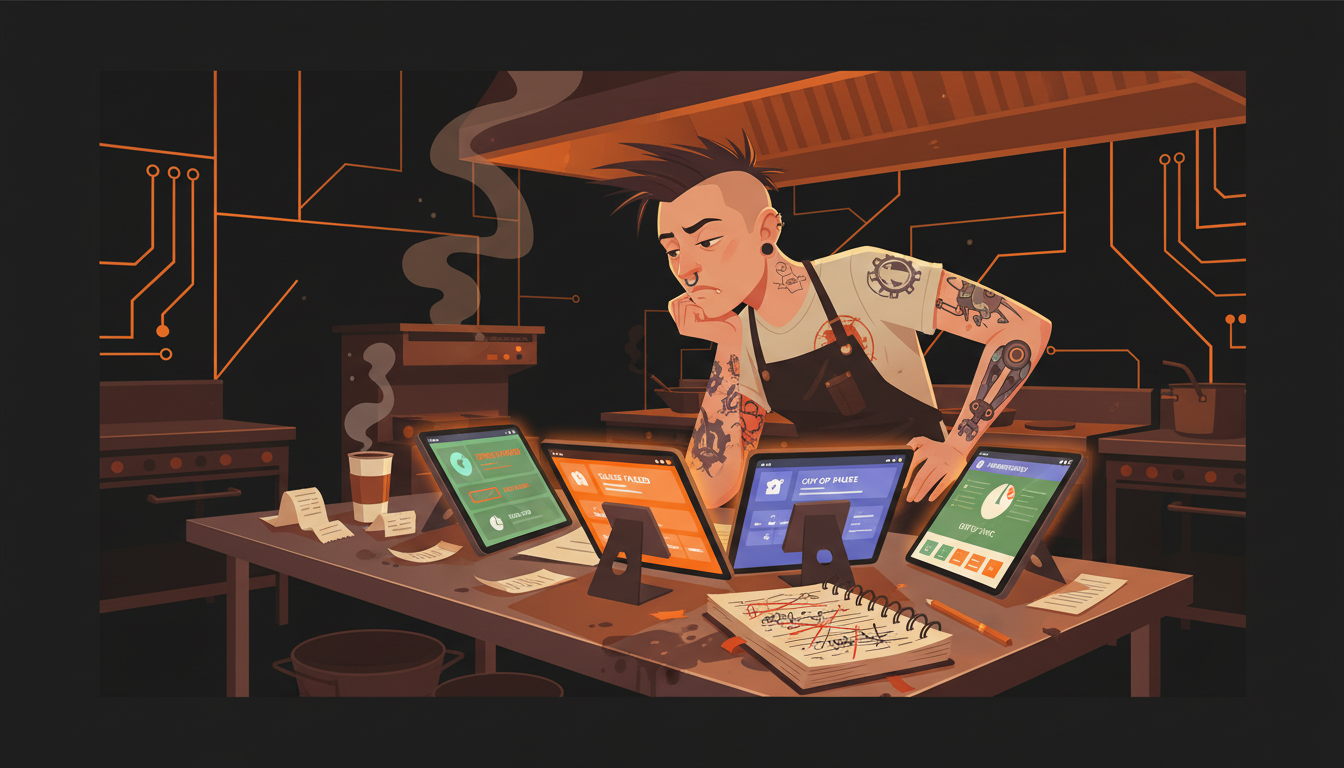
Why Most AI Tools Fail Small Businesses (And What Actually Works)
You've seen the viral videos. The drive-thru voice AI that takes three attempts to understand "no pickles." The chatbot that recommends a cappuccino when you asked for a cortado. The scheduling tool t
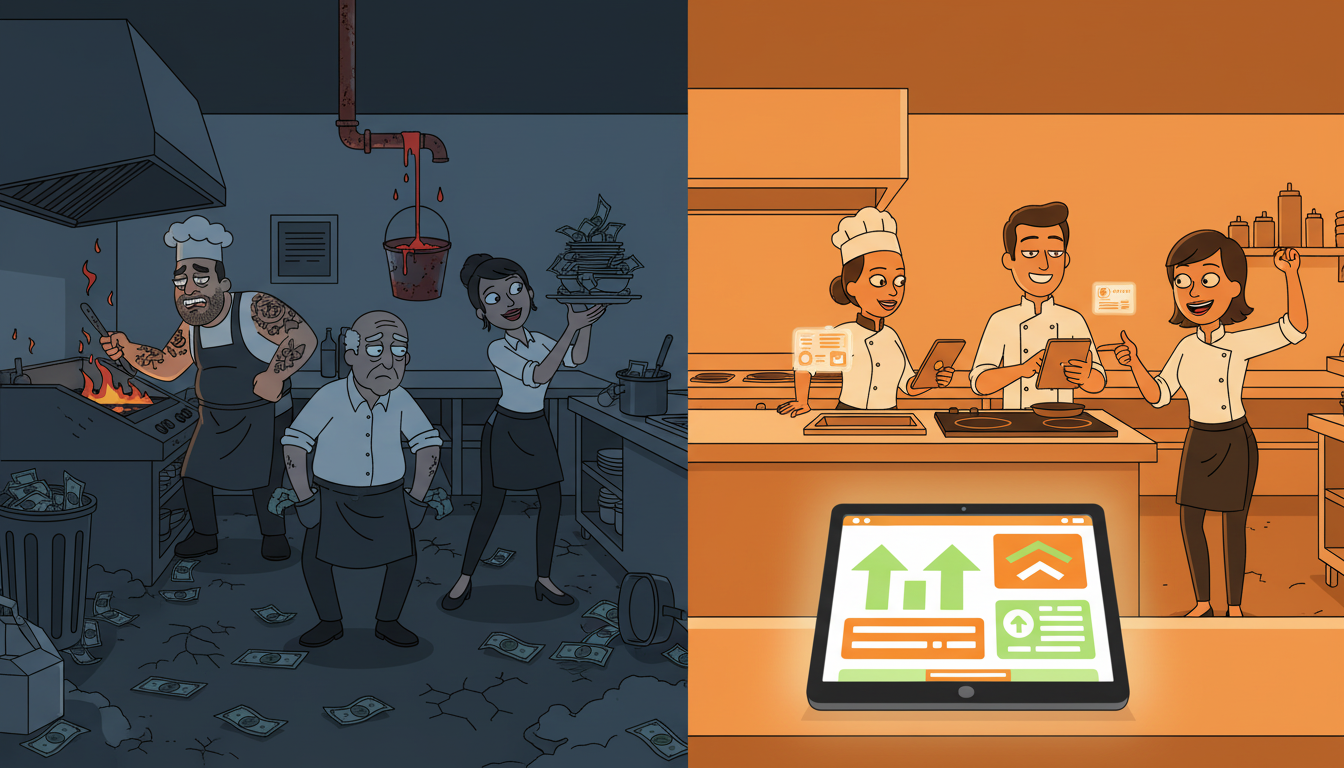
If Your AI Tool Can't Prove Its Value in 48 Hours, It's a Vitamin — Not a Painkiller
You're sitting across from a vendor rep at a trade show. They've got a slick demo running on a 50-inch screen. The dashboard glows. The charts move. They say "AI-powered" seven times in two minutes. Y
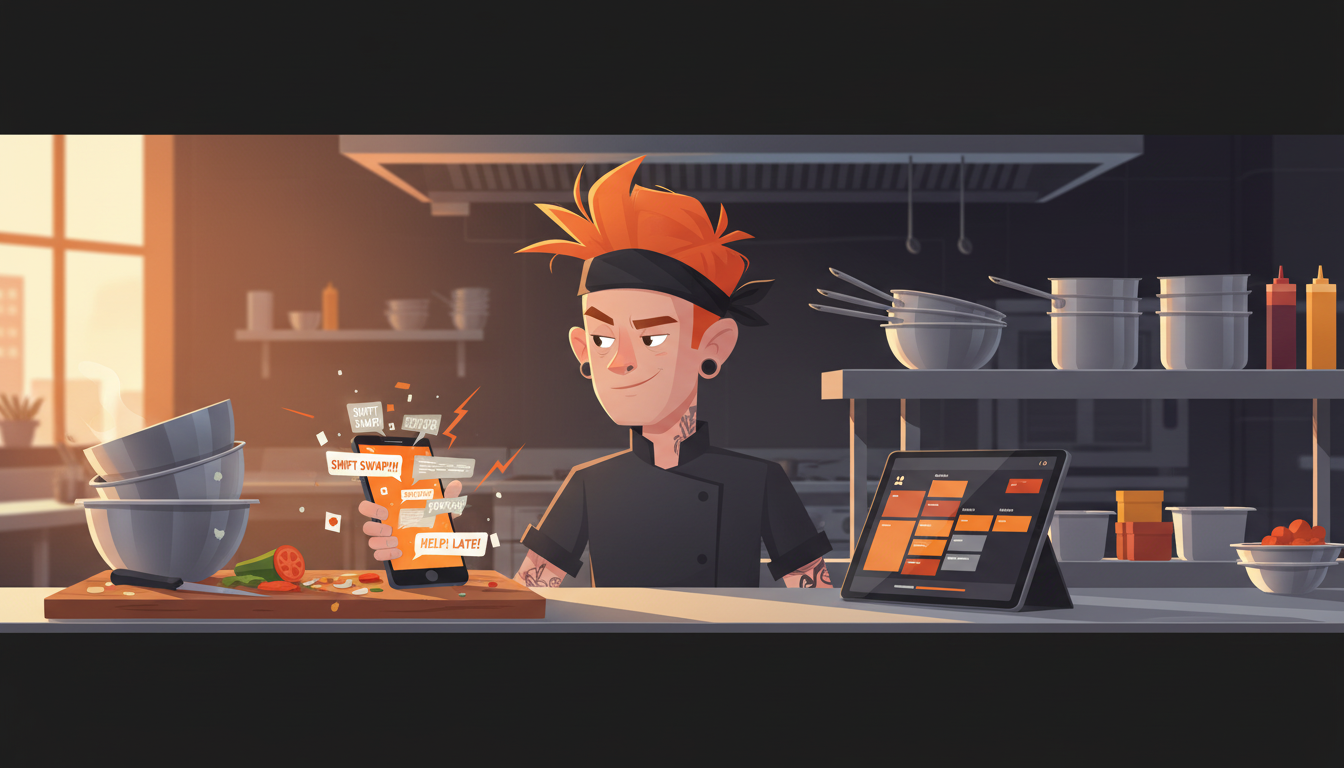
5 Ways AI Is Actually Helping Restaurants Right Now (No Hype)
Forget the hype. Here are five things AI is actually doing in real restaurants right now — from review responses to food cost tracking — with real numbers and zero jargon.