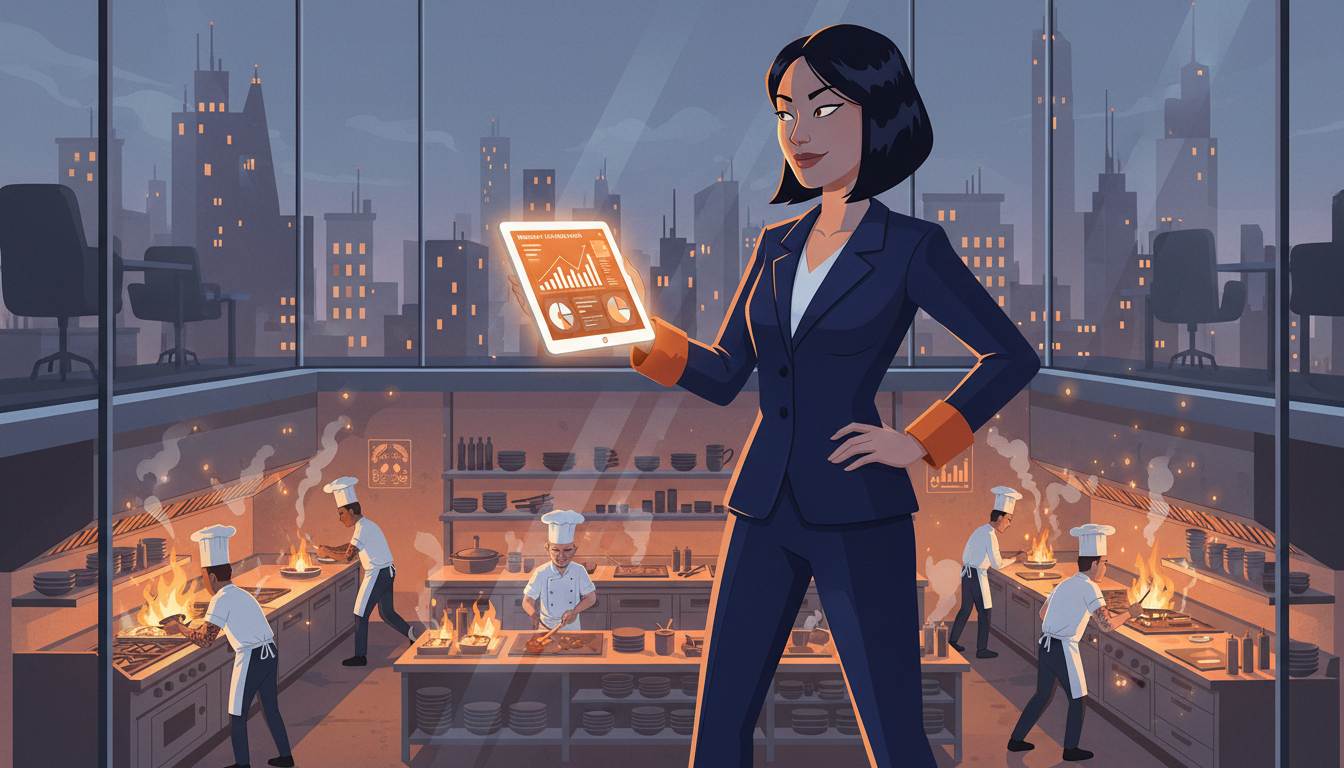
$41M Poured Into Restaurant AI This Quarter — What VCs Know That You Don't
Nesto raised $12 million for AI workforce planning. SAGT raised $11 million for restaurant operations AI. CrunchTime, Nory, Oracle — all shipping new AI tools in the last 60 days. The money isn't flowing into generic SaaS. It's flowing into YOUR industry.
I've been tracking restaurant technology funding for years. This quarter hit different. Not because the total number is huge, though it is. It's because of WHERE the money went. Every single dollar went to solve operational problems that independent restaurant owners deal with every day.
Let me break down what's happening and why it matters for your restaurant right now.
Where exactly did $41 million go?
The money trail tells the story. Here's the breakdown of confirmed restaurant AI funding and product launches in Q1 2026:
Nesto grabbed $12 million in a round reported by Restaurant Technology News on April 14. Their product? AI-driven workforce planning. Think scheduling that actually works because the system learns your patterns, your busy nights, your seasonal swings. No more guessing how many servers you need for a Tuesday in October.
SAGT pulled in $11 million for Southeast Asia restaurant operations AI, covered by Stock Titan on March 13. They're building the kind of back-of-house automation that handles inventory, vendor orders, and kitchen workflow. The kind of stuff that eats 12 to 20 hours a week for most owners I talk to.
Nory announced U.S. expansion on March 3, per Restaurant Technology News. They started in Europe and now they're coming stateside with their restaurant management AI. Another operations play.
CrunchTime rolled out new AI-powered tools in late April, covered by FSR Magazine on April 21. Their focus is food safety, inventory, and labor management. All operations.
Oracle and NetSuite launched AI features for hospitality on April 2. Enterprise-grade tools now available to mid-market restaurants.
Maple and Quantic partnered on AI phone ordering reported on April 24. Taking the most annoying task in most restaurants and automating it.
Add it all up and you're looking at $41 million or more flowing into restaurant AI in just the first quarter. And that's just what's publicly reported.
But here's what gets my attention. None of these companies raised money for chatbots. None of them built customer-facing gimmicks. Every dollar went to operations. Scheduling. Inventory. Ordering. Kitchen workflow. The boring stuff that actually runs a restaurant.
Why are VCs pouring money into restaurant operations?
VCs look for two things: large addressable markets and broken processes. Restaurants have both in abundance.
Start with the waste. Most restaurant owners I work with tell me they spend 12 to 20 hours per week on administrative tasks that nobody enjoys. Scheduling conflicts. Inventory counts. Vendor phone calls. Chasing down no-shows. That time adds up to 600 to 1,000 hours a year that could go toward menu development, customer experience, or just going home at a reasonable hour.
Then there's the labor shortage. Remember when everyone said the labor shortage was temporary? It wasn't. Restaurants still struggle to find and keep good people. Chipotle figured this out early. They deployed an AI recruiting tool and cut their hiring time by 75%, according to CNBC reporting from July 2025. Seventy-five percent. That means positions that took three weeks to fill now take less than one. In an industry where every empty shift costs you money, that matters.
QSR Web called 2026 the year of the AI-driven restaurant back in December 2025. They were right. But they missed the nuance. It's not about replacing people with robots. It's about giving the people you have better tools so they can focus on what humans do best — cooking great food and taking care of guests.
The third piece VCs see that most owners miss is data. Your POS system collects thousands of data points every day. What sells on Friday versus Wednesday. Which menu items get sent back. How long tickets take during rush versus slow periods. Which servers turn tables fastest. That data sits there, unused, because nobody has time to pull reports and analyze patterns.
AI can do that analysis in seconds. It can tell you that your Wednesday lunch is underperforming because your specials aren't resonating, or that your prep team is overproducing for Monday dinner by 30%. VCs know this data is gold. Most restaurant owners don't even know they're sitting on it.
SaaS platforms or on-site help — which model wins?
Most of the VC money went to SaaS platforms. Monthly subscriptions. Self-serve dashboards. You sign up, watch some tutorials, configure the settings, and hope for the best.
I get why VCs like this model. It scales. You build the software once and sell it a thousand times. Margins are beautiful.
But I've talked to enough restaurant owners to know the dirty secret. Most of them buy the software and never fully set it up. They pay $200 or $500 a month for a platform they use at 20% capacity. The tool sits there, half-configured, collecting dust while the owner goes back to doing everything manually because they don't have time to learn a new system.
That's where our model at Claw Prime diverges. We don't sell you a dashboard and wish you luck. We send an on-site expert to YOUR restaurant. They look at your specific operation, figure out where AI can actually save you time, and set it up for you. Not a template. Not a generic workflow. Your restaurant, your menu, your staff, your patterns.
The VCs backing SaaS platforms are betting that restaurants will automate. I agree with that bet. Where I differ is in the delivery method. I believe most independent and small-chain restaurants need a human showing up, looking at their operation, and doing the work. Not another login to remember.
Both models prove the same point. The industry is moving toward AI-assisted operations. The question isn't whether your restaurant will use AI. It's whether you'll struggle through setup alone or have someone do it with you.
What should an independent restaurant owner do right now?
You don't need $12 million. You don't need to become a technology expert. You need to figure out where your specific restaurant is bleeding time and money.
That's exactly what our AI SWOT analysis does. For $297, we sit down with you (virtually or on-site) and map out your strengths, weaknesses, opportunities, and threats when it comes to AI adoption. We look at your current tech stack, your operational pain points, your staffing patterns, and your revenue data.
Then we give you a concrete roadmap. Not a 50-page report you'll never read. A focused, prioritized plan that tells you exactly where to start and what to expect.
Maybe it's scheduling first. Maybe it's inventory. Maybe it's phone ordering or reservation management. Every restaurant is different. The SWOT tells us where YOUR biggest wins are hiding.
VCs are pouring millions into this space because they know the shift is happening. The restaurants that adopt smart AI tools in the next 12 to 18 months will have a real competitive advantage. The ones that wait will spend the next few years wondering why their margins keep shrinking while the place down the street seems to run smoother every month.
You don't need to raise venture capital. You just need to know where to start.
Get your $297 AI SWOT — we'll map exactly where AI can save you time and money.
Next step
Find your fastest AI revenue and time wins.
If this article sparked ideas, don't leave them as ideas. Get a Claw Prime AI SWOT assessment and we'll map the highest-leverage opportunities for your business.
Keep reading
Related posts
More practical guidance for owners who want less busywork and better follow-up.
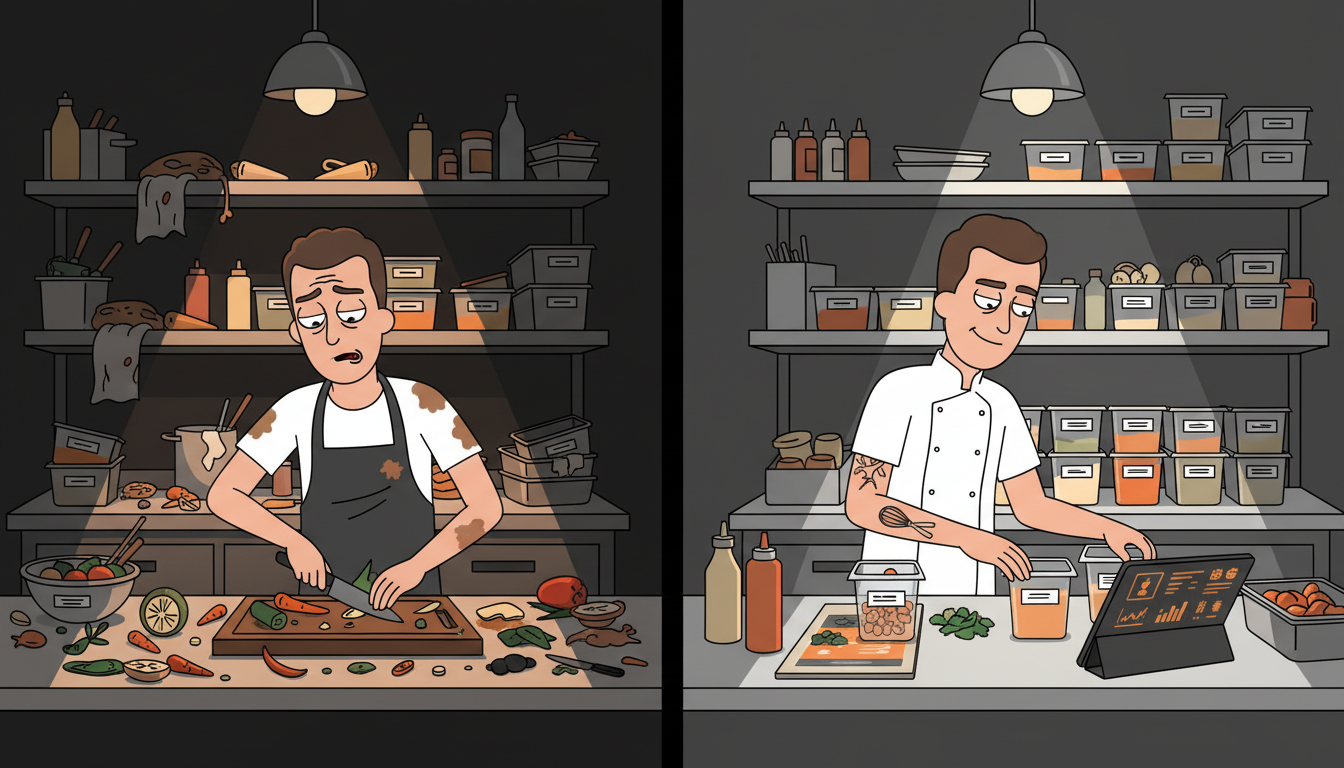
How to Reduce Food Waste with Predictive AI for Your Restaurant
For every $100 your restaurant spends on food, $4 to $10 ends up in the trash. That's not a guess — it's the industry average. For a mid-size restaurant doing $15K a week in food sales, that's $25,000
If Your AI Tool Can't Prove Its Value in 48 Hours, It's a Vitamin — Not a Painkiller
You're sitting across from a vendor rep at a trade show. They've got a slick demo running on a 50-inch screen. The dashboard glows. The charts move. They say "AI-powered" seven times in two minutes. Y
How to Automate Staff Scheduling with AI
Your manager spends 4-6 hours a week building schedules that still end up wrong. Here's how AI builds better schedules in 10 minutes using your existing tools and POS data.